


TYPICA CAFÉ – ROASTERY
Located in the heart of Sucre’s historic center, just steps away from the city’s most iconic landmarks, Typica Café – Roastery has become one of the most popular specialty coffee destinations in Bolivia’s White City.
More than a coffee shop, Typica offers a complete experience where exceptional Bolivian coffee, quality cuisine and a welcoming atmosphere come together. Its peaceful garden courtyard, filled with trees, flowers and hummingbirds, provides a relaxing escape from the city streets, while the vintage-inspired interior, library and carefully curated music create a space full of character and charm.
At the center of the experience is specialty coffee sourced from some of Bolivia’s finest coffee-growing regions and expertly roasted to highlight the unique flavors of each bean. Guests can enjoy artisan pastries, homemade breads, all-day breakfasts, brunch, gourmet sandwiches, fresh salads and vegetarian-friendly options prepared with locally sourced ingredients.
In recent years, Typica Sucre has also become a favorite spot for those looking to discover Bolivian craft beer. Alongside its renowned coffee menu, visitors can enjoy a carefully selected range of local craft beers, wines and signature drinks, making it an excellent choice from morning coffee to evening gatherings.
Founded by four passionate baristas, Typica has grown into one of Bolivia’s leading specialty coffee brands, with locations across several major cities. The company has earned national awards in barismo and specialty coffee and has proudly represented Bolivia in international coffee competitions.
With high-speed Wi-Fi, pet-friendly spaces, cultural events and a strong commitment to supporting local producers, Typica Sucre embodies the modern spirit of Bolivian coffee culture while staying deeply connected to the traditions and flavors of the country.
99% of the products served are proudly Bolivian.
Click Here to Download the Full Menu

Menù
Specialty coffees
Homemade bread and pastries
Signature sandwiches and a variety of empanadas
American and vegetarian breakfasts available all day
Salads and original dishes
A variety of herbal teas and homemade sodas
Local craft beers and wines
Mixed drinks
Environments
200 meters of garden with fruit trees, flowers and hummingbirds.
Vintage sixties style lounge with a large library and vinyl collection.
Services
Happy Hour every day of the week, starting at 5 pm…
Complimentary Co Work, 08:00 to 16:00.
High-speed Wi-Fi in all rooms.
Pet-friendly space.
Cultural, institutional and social events at no additional cost.
Café Time & Coffee
Café Time & Coffee is considered the pioneer of specialty coffee culture in Sucre and has become a favourite meeting point for travellers, digital nomads, and locals alike. With two beautiful locations in iconic areas of the city — one in Parque Simón Bolívar and the other in La Recoleta — this café combines high-quality Bolivian coffee, spectacular panoramic views, and a relaxed, welcoming atmosphere.
The Parque Bolívar branch is located near the Tribunal Supremo de Justicia and the Teatro Gran Mariscal, making it a perfect stop after sightseeing. This location is also home to the café’s own coffee roastery, where carefully selected Bolivian beans are roasted to highlight their unique aromas and flavours. Guests can often smell the freshly roasted coffee and experience the passion behind every cup.
The La Recoleta branch sits next to Plaza Pedro de Anzúres and the Museo de Arte Indígena ASUR, offering one of the most impressive views over Sucre’s white colonial skyline.
Both cafés are known for their cozy design, greenery-filled spaces, fast Wi-Fi, friendly service, and consistent coffee excellence. Many visitors highlight the professional baristas and the dedication to showcasing Bolivia’s diverse coffee varieties, roasted locally and prepared with precision.

☕ Bolivian Coffee Varieties
Café Time & Coffee proudly works with Bolivian-grown coffee varieties, many of which are cultivated in the coffee regions of Los Yungas, Caranavi, and Samaipata.
Some of the varieties commonly produced in Bolivia include:
- Catuai
- Pacamara
- Java
- Typica
- Bourbon
- Caturra
- Mundo Novo
- Geisha (Gesha)
These varieties are known for their complex aromas, bright acidity, and rich chocolate or fruity notes, characteristics that make Bolivian specialty coffee increasingly appreciated by coffee enthusiasts around the world.
☕ Coffee Specialties
- Espresso-based drinks
- Cappuccino, Latte, Flat White
- French Press
- Chemex
- V60
- Siphon brewing
🥐 Food & Products
- Fresh pastries and cakes
- Healthy breakfast options
- Sandwiches and light meals
- Cold beverages and specialty drinks
- Bolivian specialty coffee beans available for purchase
Café Time & Coffee proudly offers its own roasted selection of premium Bolivian coffee, carefully sourced from national producers and roasted locally at the Parque Bolívar location. Visitors can enjoy these coffees in-house or take a freshly roasted bag home as a perfect souvenir from Bolivia.
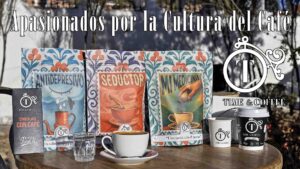
A visit here is more than just coffee — it’s an experience that blends flavor, craftsmanship, comfort, and unforgettable city views.
Salvietti
The first papaya-flavoured sparkling soft drink was invented in Bolivia
Salvietti is more than just a soft drink brand – it is one of Bolivia’s most iconic symbols and a true expression of the country’s culinary heritage. Founded on July 24, 1920, Salvietti was born from the adventurous spirit of Dante Salvietti, an Italian immigrant who arrived in Bolivia in the early 20th century and became deeply inspired by the lush landscapes of the Yungas region, especially by the unique flavor of papaya.
Fascinated by this tropical fruit, Dante created the first Bolivian papaya-flavoured soda, using artisanal techniques and natural ingredients available at the time. What began as a small-scale, almost handmade production soon became a revolutionary beverage that captivated local consumers. Early innovations such as imported glass bottles from England and modern bottle caps positioned Salvietti as a pioneer in Bolivia’s beverage industry.
Since 1968, the city of Sucre has been the official home of the brand, where Salvietti del Sur Ltda. continues to safeguard the original papaya recipe that made the brand famous. Now led by the fourth generation of the Salvietti family, the company successfully blends tradition with modernization, remaining a regional leader in southern Bolivia.
Today, Salvietti offers a diverse range of refreshing flavours including Papaya, Kinotto Cola, Orange, Lime Lemon, Grapefruit, Granadina, Pineapple, and the special Ginger Ale Ross, perfect for cocktails (Chuflay: A drink based on Singani, a typical Bolivian spirit, mixed with soda, ice and lemon). The portfolio also includes Viva purified water, still and sparkling, as well as fruit juices, all produced under strict quality standards.
Salvietti represents authenticity, heritage, and national pride. Every bottle tells a story of innovation, passion, and Bolivian identity. Drinking Salvietti means enjoying more than a soft drink – it means tasting over a century of Bolivian tradition.
Drogueria Natural Sucre
The Droguería Natural de Sucre is a specialist shop focusing on natural medicine and products, dedicated to holistic healthcare and physical and emotional wellbeing. We offer a personalised service to both the local population and tourists visiting the historic city of Sucre, Bolivia, who are seeking natural, safe and effective alternatives to improve their quality of life.
In our shop, you will find a wide variety of natural medicines, supplements, health foods and therapeutic products, made primarily from medicinal plants, herbs, leaves, roots and flowers sourced from different regions of Bolivia. These products are designed to prevent illness, relieve common ailments and strengthen the body naturally.
We have trained and professionally qualified staff who provide reliable and personalised advice, helping each customer to identify the most suitable natural treatment according to their symptoms and needs. We deal with enquiries relating to allergies, digestive problems, headaches, blood pressure, stress, ulcers, muscle aches and other health imbalances.
La Droguería Natural works with recognised brands and specialised products, focused not only on relieving symptoms but also on supporting recovery, prevention and long-term wellbeing. Furthermore, we offer natural solutions for nutrition, beauty, energy and holistic health.
If you are looking for natural medicine in Sucre, herbal products, alternative treatments and expert care in natural health, the Droguería Natural is your best choice.
Specialities
Natural Remedies
Natural Foods
Natural Cosmetics
Spagyrics
Bach Flower Essences
Gluten-free products
Dietary products
Cultura Yampara (Tarabuco)
Tarabuco is located at an altitude of 3,284 m above sea level in the Province of Yamparaez, in the Department of Chuquisaca. The town has a population of 20,000 and can be reached from Sucre in an hour and a half. Surrounded by Yampara weaving communities, this indigenous stronghold is renowned for its dances, music, clothing and traditions that are still alive and thriving today.
Tarabuco hosts Bolivia’s biggest rural market, a tradition carried over from colonial days. The people living in the surrounding villages attend the market wearing beautiful traditional clothes, especially noteworthy for the high quality of their weaving work. After Mass, which is said in Quechua, agricultural produce is bartered and textiles and handicrafts are sold, providing you with a fascinating opportunity to experience the living culture of Bolivia’s countryside. The Sunday market is the most important weekly event for the area’s different communities. Visitors will find plenty of opportunities to shop for souvenirs around the main square.
One of South America’s most stunning, native cultural events takes place every third Sunday in March. It recalls the indigenous people defeating the Spanish in the battle of Jumbate on 12 March 1816 during the war of independence. The festival also celebrates the renewal of life and abundance brought on by the rainy season. Pujllay is the Quechua word for “game”. The colorful parade moves towards the “Pukara”, a ladder-like altar that is richly decorated with food. The lavishly dressed dancers then tirelessly move in circles around the altar to the sound of different flutes as well as a horn clarinet. The sounds, dances and costumes evoke the ‘Tata Pujllay’, a demonic and fruitful entity with boundless energy. The Pujllay with its music and dances of the Yampara culture is a Unesco Intangible Cultural Heritage of Humanity listed since 2014.
Espacio Cultural Origenes
The captivating Bolivian folklore is loaded with ancient traditions, cultural diversity and amazing, colourful dances.
Discover Bolivia’s cultural diversity at ORIGENES
Origins is the perfect place to experience the essence of Bolivia with a magical dinner show. Since 2008, we have been providing a unique experience that combines gastronomy with a professional dance show, taking you on a journey through the country’s regions to the rhythm of music and emotion. Every performance is designed to surprise and delight our visitors, providing them with an unforgettable evening in a warm and authentic setting. We are the only dinner show in Bolivia to be certified to ISO 9001:2008 and Good Tourism Practices standards, which guarantees quality and excellence. This is a cultural experience not to be missed!
Specialities
– First-class folkloric show
– Gastronomy
– Museum of traditional costumes
– Potosina 4000 Beer: Our beer mastery is embodied in 4000. It is a beer born at more than 4040 meters above sea level.
Cal Orck’O Dinosaur Footprints, Dinosaur Park and Museum (Parque Cretácico)
The Cal Orck’o Dinosaur Footprints and the nearby Parque Cretácico offer one of the most extraordinary prehistoric experiences in South America—just a short distance from the city of Sucre.
Discovered in 1994, Cal Orck’o is a limestone cliff that contains the largest concentration of dinosaur footprints in the world. With over 5,000 preserved tracks from at least eight different species, the site dates back around 68 million years to the Late Cretaceous period. Its most astonishing feature is a record-breaking 581-meter-long trackway, believed to be the longest continuous dinosaur footprint trail ever discovered.
What makes this site truly unique is its vertical formation: due to geological uplift, what was once flat ground is now a towering wall of fossilized history—creating a visually striking and scientifically invaluable landmark.
Just a few hundred meters away, the Parque Cretácico brings this ancient world back to life. The park features impressive life-size dinosaur replicas, including a massive titanosaur sculpture, immersive exhibits, and educational displays that make it especially engaging for children and families.
Visitors can join guided tours to the footprint wall, explore the on-site museum, watch informative documentaries, and enjoy panoramic views of the surrounding landscape.
👉 Despite occasional issues with official information sources, the site is easy to reach: local buses regularly connect the city with the park, and taxis offer a quick and convenient alternative.
👉 Whether you’re traveling with kids or simply fascinated by natural history, this is one of the top things to do in Sucre and a rare chance to walk alongside the paths of dinosaurs.
Pueblo Chico
PUEBLO CHICO is divided into three different atmospheres. The lounge, in the back, with its tables and sofas provides a relaxed setting for having a chat while listening to some pleasant music.
On the weekend, the balustraded first floor is the perfect place for a romantic date or a get-together with friends.
The patio with its large tables also welcomes bigger groups and allows you to enjoy the restaurant’s gastronomic specialities. “We offer extended hours from 8:00 am until midnight, serving breakfast, set lunch menus, national and international cuisine, snacks as well as a wide range of cocktail options”.
The restaurant Pueblo Chico is renowned for spoiling its customers with a large choice of delicious coffees.
There is a whiff of art, history and culture in the streets of Sucre. The fun time and the great food and coffee provided at Pueblo Chico reflect that richness.
Especialidades
National and international cuisine
PIQUE MACHO, Bolivia’s national dish
Snacks
Fusion coffees (20 varieties)
Sucre Safety Tips
Sucre is considered to be a beautiful, laid-back city, so generally you will feel safe. However, it is always better to be safe than sorry. This is why the following safety tips might be useful to you.
Ask hotel staff which areas and sites are safe to walk in and which areas you should avoid
Keep your passport, credit cards, travel and other documents in a safe place
Stay alert if “police officers” ask to see your ID; they are not necessarily real police officers but could instead be delinquents looking to rob you
Always be aware what is going on around you, especially in crowded places
Do not accept any other passengers when taking a taxi
Use radio taxis to get back to your hotel late at night or in the early morning hours
Don’t accept any object from a stranger
Ignore people who want to help you clean your clothes after they got stained by paint, mustard, spittle or any other liquid; they are trying to distract you in order to steal your belongings
Use a travel or a tour agency for a safe trip to the surrounding area
CURRENT TRANSITABILITY of roads in Bolivia: www.transitabilidad.abc.gob.bo
Cordillera de los Frailes – Pueblos Jalq’a – Cráter de Maragua
One of the most amazing side trips from Sucre takes you to the dramatic Cordillera de los Frailes, revealing wonderful scenery as well as the incredibly rich culture of the indigenous Jalq’a people. Though the ridge of the Andean mountain range can be reached from the city in just over an hour, the villages within it feel worlds away. Nestled at the foot of the mountains, they can be reached via trekking routes, ideally during the dry season from April to October.
The treks start about 35 km outside of Sucre, at an altitude of 3’600 m above sea level in Chataquila. This is the place where Tomás Katari, the leader of an indigenous rebellion against the Spanish rule, was murdered. The sanctuary, an important place of pilgrimage at the 7th of August, consists of a chapel and a shrine dedicated to the miraculous Virgin of Guadalupe. Enjoy typical cordillera mountain vistas hiking the 4,5 km down to Chaunaca on the prehispanic trade road, more commonly known as the Inca Trail. Landscape-wise the alternative route via the two rock painting sites Pumamachay and Incamachay is equally nice. The paintings date back maybe 1’500 years for the first site and about 2’500 for the latter.
The area is the homeland of the Jalq’a people. They are Bolivia’s only indigenous community depicting the underworld in their textiles. Located in a crimson-red landscape, Potolo is the area’s largest village. It is possible to watch the Jalq’a women at work, allowing you to witness the ancient weaving techniques. The black and red weavings, called aqsus, represent the “ukhu pacha”, a dark and chaotic underworld, inhabited by scary, mythical beings called “khurus”. The zoomorphic and geometric patterns were originally used for clothing. The Indigenous Art Revival Program created by ASUR in 1986 started recovering the nearly lost, ancestral weaving techniques with the idea of strengthening the cultural integrity and generating additional income for the indigenous communities.
The crater of Maragua, surrounded by shell-shaped layers of multicoloured rock, provides an incredible setting for the two weaving villages Maragua and Irupampa. A cemetery that exists since prehistoric times can be found in the center of the crater. Hiking through the quiet pastureland behind the ridge, dotted with small farms, you might find yourself handing out coca leaves every now and then, as you make your way to a spot called Niñu Mayu. Here you will come across dinosaur footprints, embedded in a large sloping section of rock, making it easy to step back in time and picture dinosaurs escaping from the crater. The Garganta del Diablo (devil’s throat), a cavern with stalactites and stalagmites situated behind a 40-metre waterfall, is shrouded in legend and only a 15-minute walk from Maragua. The nearby community of Irupampa is also worth a detour in order to drop by the small museum set up and run by Crispín. He is a charismatic local, who has worked along with all the archeological experts who came to the area and is happy to share his passion for archeology, history and culture.
Museo Nacional de Etnografía y Folklore (MUSEF)
The Ethnographic and Folklore Museum (MUSEF) started as an institute of research and has established itself as a cultural space. It shows Bolivia’s folkloric and ethnic diversity from the pre-Columbian era to the present. The temporary exhibition rooms are dedicated to displaying living cultures; ethnic groups; objects made of leather, wood and earthenware; weavings and photographs among others things.
Don’t miss out on the superb permanent exhibition on the ground floor showcasing masks used in festivals and religious ceremonies in communities throughout Bolivia. Learn more about Bolivia’s traditional dances, ethnic groups, music, history and customs by watching a collection of short films in the museum’s video library.
GOBLIN a family-run brewpub
GOBLIN BAR is a real hidden gem and a must-visit for craft beer lovers in Bolivia. Located in the heart of Sucre, this iconic bar stands out for its in-house brewed beer, which master brewer Marcelo produces, serves and shares with every visitor.
What makes it so special? You won’t find this beer anywhere else in the world. Brewed in small batches under the German Purity Law of 1516, known as the Reinheitsgebot, it guarantees exceptional quality and a 100% vegan process. The result: intense flavours featuring citrus notes, caramel and a subtle hint of coffee and a perfect balance of bitterness. Both travellers and locals agree: this is where you’ll find one of Bolivia’s finest beers.
The atmosphere is cosy and intimate, with walls decorated with goblins and fantasy art that give it a unique character. It’s the ideal place to relax, meet new people and enjoy Sucre’s authentic nightlife, often accompanied by great rock music.
One detail that makes Goblin special: we love it when our visitors bring in beer coasters from breweries all over the world, turning the bar into a living collection of beer stories.
Although we no longer make pizza on the premises, you can easily order from the pizzeria next door and enjoy it here – a tradition much appreciated by our regulars.
With excellent reviews on Google Maps, Untappd and TripAdvisor, Goblin Bar stands out for the quality of its beer, its friendly service and its authentic atmosphere.
If you’re looking for the best beer experience in Bolivia, there’s no other option: you must come to the Goblin in Sucre.
Specialities:

Cosmo Café Restaurant
Cosmo Café is one of Sucre’s most popular café-restaurants, ideally located on the main square, Plaza 25 de Mayo, right in the historic center. Highly rated by travelers on TripAdvisor and Google Maps, it is known for its consistent quality, creative dishes and welcoming atmosphere.
Created by Sayda Quispe Solíz, Cosmo Café brings together European and Mediterranean cuisine, Asian influences, and Bolivian flavors, all prepared with a modern, gourmet touch. Guests particularly appreciate the daily changing lunch menu, available from Monday to Friday, which offers fresh and innovative dishes at great value. Details are published on our Facebook page.
The café also stands out for its homemade pastries, excellent Italian-style coffee, and a menu that includes vegetarian-friendly options. Its relaxed yet stylish ambiance makes it a favorite spot for tourists, locals, and digital nomads alike.
In addition, Cosmo Café provides event hosting and catering services, as well as technical service for Italian coffee machines (Whatsapp: +59171174632).
📍 Prime location on Sucre’s main square
☕ High-quality coffee & homemade desserts
🥗 Vegetarian options available
🍽️ International gourmet cuisine in Sucre

Templo de San Felipe Neri
The Templo de San Felipe Neri is one of Sucre’s most remarkable hidden gems, blending history, architecture, and daily life in a truly unique way. Built between 1795 and 1800, this elegant neoclassical church stands out for its harmonious proportions, solid stone construction from nearby Churuquella hill, and refined artistic details.
But what makes San Felipe Neri truly special is its multi-layered identity: it is not only a church and a small museum, but also an active girls’ school. Because of this, access is limited to the afternoon—adding a sense of exclusivity and discovery to your visit.
Inside, visitors can admire a serene single nave divided into four sections, decorated with neoclassical paintings from the 18th and 19th centuries. Beneath the complex lies a crypt where notable figures from colonial and early republican times are buried, adding historical depth to the experience.
One of the absolute highlights—and a favorite among travelers—is the rooftop terrace. From here, you can walk along the whitewashed structures and sit on the original ashlar masonry seats while enjoying breathtaking panoramic views over the colonial rooftops of Sucre. At sunset, this spot becomes one of the most photogenic locations in the city.
Equally impressive is the peaceful inner courtyard, a beautifully preserved colonial patio that reflects the calm and contemplative atmosphere of the complex.
Access to the site is through the adjacent María Auxiliadora School, reinforcing the unique coexistence of education, heritage, and spirituality in one place.
👉 A visit to San Felipe Neri is not just about seeing a church—it’s about experiencing one of Sucre’s most authentic and atmospheric viewpoints.
Templo de San Francisco
The Templo de San Francisco is one of the oldest and most historically significant churches in Sucre, deeply connected to the origins of the city and the birth of independence in Latin America. Originally established in the 16th century by Franciscan friars, the current structure dates back to 1581, making it one of the earliest religious buildings in the city.
Architecturally, the church is a fascinating blend of styles, featuring a single nave adorned with richly decorated coffered ceilings that combine Renaissance, Mudéjar, and Baroque influences. The gilded altars and intricate wood carvings reflect the artistic mastery of the colonial period.
What truly sets San Francisco apart is its strong historical symbolism. One of its towers houses the famous Liberty Bell, cast in 1800. On May 25, 1809, this bell rang out across the city, calling the people to rise in what is now remembered as the first cry for independence in Latin America. Today, the cracked bell remains a powerful symbol of freedom and one of Sucre’s most iconic landmarks.
Visitors can climb the bell tower for a closer look at this historic artifact and enjoy panoramic views over the city. The on-site museum further enriches the experience, showcasing religious art, colonial artifacts, and historical narratives linked to Sucre’s past.
Another advantage of San Francisco is its accessibility: compared to many other churches in Sucre, it is open more frequently throughout the day, making it easier to include in your itinerary.
Beneath the church lies a crypt that holds the remains of Spanish figures associated with the founding of the city, adding another layer of historical depth.
👉 A visit to San Francisco is essential for anyone who wants to understand Sucre’s colonial heritage and its pivotal role in the history of independence.
Plaza 25 de Mayo
In colonial Sucre the main square, surrounded by the most important governmental, religious and civil buildings, was located in the heart of the city. Colonial life revolved around the Plaza Mayor or Plaza de Armas as it was called back then.
Its original layout as a square and its size still remain the same. Its main features like the diagonal and circular paths, the monuments dedicated to the liberators, the pavilion, the main stone fountain as well as other smaller fountains stem from the French influenced era that started after the country’s independence.
Sucre’s citizens used to go to the square to court; the women walking clockwise and the men anticlockwise around the square so that the men got the opportunity to greet the women each time they passed each other. Stories like this one add to the plaza’s charm.
Metropolitan Cathedral of Sucre
The Metropolitan Cathedral of Sucre, officially known as the Cathedral Basilica of Our Lady of Guadalupe, is the most important religious monument in Sucre, Bolivia, and a cornerstone of the country’s colonial heritage. Its construction began in 1551 and, after more than two centuries of continuous development, was completed in 1712, reflecting a dynamic evolution of architectural styles from Renaissance origins to Baroque and later Neoclassical influences.
Located on Plaza 25 de Mayo, the cathedral serves as the seat of the Roman Catholic Archdiocese of Sucre and showcases a remarkable fusion of European and Latin American mestizo baroque architecture. The structure features three richly adorned naves, a towering bell tower with a working clock from 1772, and intricately decorated façades that anchor the city’s historic skyline.
Inside, visitors encounter elaborate altars, wooden sculptures, historic paintings, and precious metals including gold and silver from nearby Potosí, alongside the revered image of the Virgin of Guadalupe, Sucre’s patron saint, adorned with jewels and decorative metals. A cathedral museum of sacred art further enriches the cultural experience with collections of colonial ecclesiastical art and artifacts.
A vital site for worship and cultural heritage, the Metropolitan Cathedral remains an active center of liturgical life and a key destination for travellers and scholars exploring Bolivia’s religious and architectural history.
The Mannerist portal stands on paired Tuscan columns and the baroque portal on the plaza side was designed by architect Gonzales Merquete.
The church’s vestibule is surrounded by a bevelled stone balustrade. The cross stone on its ledge is known under the traditional name of “RUMI CRUZ”.
The clock on the top of the tower dates back to 1772 and is still working. The tower is Sucre’s most characteristic landmark.
Chapel of the Virgin from Guadalupe
The size of the chapel, built in 1602 on the orders of Bishop Alonso Ramírez de Vergara, was increased in 1617 by Brother Gerónimo Mendez de la Tiedra. The chapel being dedicated to the worship of the Virgin of Guadalupe, it houses Brother Diego de Ocaña’s 1601 painting of Our Lady of Guadalupe. The public’s veneration of the image showing Sucre’s patron saint continues unabated.
A gold-plated silver layer was added to the original canvas in 1784, covering the Virgin’s mantle. Of the original painting only the Virgin’s head, her arms and the baby can still be seen.
For centuries, the canvas has been adorned with pearls and gems by humble followers and Bolivia’s historical figures alike.
Pique a lo Macho
Originally, Pique Macho is typical Cochabamba food that eventually became one of Bolivia’s favourite dishes. This speciality is based on pieces of beef that are cooked in their own juices, boiled eggs, chips as well as slices of hot dog, sweet pepper, tomato, onion and locoto chillies, served with a good amount of mayonnaise, mustard and ketchup drizzled over the top.
Café Florin – Your Café, Restaurant & Bar in the Heart of Sucre, Bolivia
Located in the centre of Sucre, Café Florin is a Dutch-Bolivian café, restaurant, and bar that has been delighting locals and visitors since 2008. With its charming colonial patio, relaxed atmosphere, and fast Wi-Fi, Florin is perfect for work, lunch, or a casual coffee break.
Enjoy a menu that blends Bolivian and international cuisine, from traditional dishes like pique a lo macho and llama loin to classics like pork ribs, pad thai, and bitterballen. Several vegan options are also available. A special lunch menu is served daily from noon.
In the evenings, Café Florin transforms into one of Sucre’s most popular bars. From 21:30, enjoy an extended Happy Hour with mojitos, cuba libres, local beers like Brewcraft, or the traditional Bolivian chuflay. Special weekly events include Tuesday Burger Night, Wednesday free acoustic concerts, and Thursday Steak Night with juicy steaks at special prices.
Sports fans are welcome to watch Premier League and Champions League games in a lively atmosphere. Combine excellent coffee, delicious food, and a vibrant nightlife experience in one place – Café Florin is a must-visit spot in Sucre.
Templo de Nuestra Señora de la Merced
Built in the middle of the 16th century by the Order of Mercy, the church’s main highlight is its cedar carved main altar. The carved and gilded altarpieces inside of it are sure to catch your eye. One of them is considered to be the Audiencia of Charcas’ oldest altarpiece. Sixteen famous and Bolivia’s only in situ paintings by the esteemed artist Melchor Pérez de Holguín, along with the baroque-style pulpit, are part of the church’s artistic interest. The pulpit as well as the left side altarpiece were done by the indigenous artist Luis Niño.
The central nave is covered with coffered vaults; one of the aisles with two half-orange-shaped vaults and the other one with a Mudejar coffered ceiling as well as two coffered Renaissance ceilings with four-leaved carvings.
La Dolce Vita
Desde 2007, la Dolce Vita, una casa de huéspedes familiar franco-suiza, brinda un cuadro encantador para su estadía en el centro de Sucre. Nuestras 10 habitaciones son amplias, confortables y coloridas; ¡se sentirá como en casa! Todas las habitaciones se encuentran dotadas de suelo de madera. Los baños, que sean privados o compartidos, tienen duchas con agua calentada a gas natural las 24 horas del día. La Dolce Vita también le ofrece una cocina bien equipada, una terraza soleada, un patio agradable, una sala de estar con tele con cable y lector DVD, WIFI gratis así que un ambiente distendido.
La Dolce Vita se encuentra a una calle del mercado central, a dos calles de la iglesia San Francisco y sus tiendas de recuerdos así que a tres cuadras de la plaza principal “25 de Mayo”. Con mucho gusto les ayudaremos a ubicarse en la ciudad, dándoles consejos sobre los lugares para visitar y comer.
Tenemos habitaciones familiares con capacidad de hasta 5 personas. No tenemos dormitorios. Descuentos para estadías de 5+ y 21+ días.
Horario de atención para llegadas: 7 am a 9 pm.
Parador Santa María La Real
Located in the heart of Sucre’s historic centre, just steps from Plaza 25 de Mayo, Parador Santa María La Real is far more than a hotel—it is an immersive experience where history, art, colonial architecture and modern comfort come together. Housed within a beautifully restored 18th-century mansion, this iconic property preserves its original structure, elegant courtyards, arcaded galleries, antique furnishings and architectural details that reflect the grandeur of the former capital of the Royal Audiencia of Charcas.
Every corner of the hotel tells a story. Individually decorated rooms and suites feature antique furniture, traditional textiles, artwork and colonial-inspired décor, creating an atmosphere that transports guests back in time while providing all the comforts expected from a luxury stay. This unique blend of heritage and contemporary hospitality has earned the Parador a reputation as one of Bolivia’s most distinctive and celebrated hotels.
Among its most fascinating features are the historic underground spaces uncovered during the restoration process, beautiful colonial courtyards and elegant event halls. Guests can also enjoy a spa, outdoor jacuzzi, fitness facilities, airport transfers, business services, laundry service and complimentary Wi-Fi throughout the property.
The hotel is also a destination for food lovers. Hidden within the atmospheric colonial cellars is Watanay Gastro Bar, where innovative chefs reinterpret Bolivian and Andean flavours through contemporary cuisine and signature cocktails. Above the city’s rooftops, Terraza 625 offers one of Sucre’s most spectacular panoramic viewpoints, combining creative gastronomy, signature drinks and unforgettable sunsets over the White City.
Adding another cultural dimension to the experience is Distrito 625, a boutique dedicated to Bolivian design, art and premium souvenirs. Visitors can discover carefully curated collections from renowned Bolivian brands and artists including Cerámicas Sarabia, Liliana Castellanos, Índigo, Sutisana and Kielle, showcasing the creativity, craftsmanship and cultural richness of Bolivia.

With its exceptional location, remarkable historical character, outstanding gastronomy and commitment to promoting local culture and design, Parador Santa María La Real offers one of the most memorable and authentic stays in Sucre.
Sponsoring
Links


Contact
www.parador.com.bo
info@parador.com.bo
+591 71162191 
+(591) 4 6461688

