

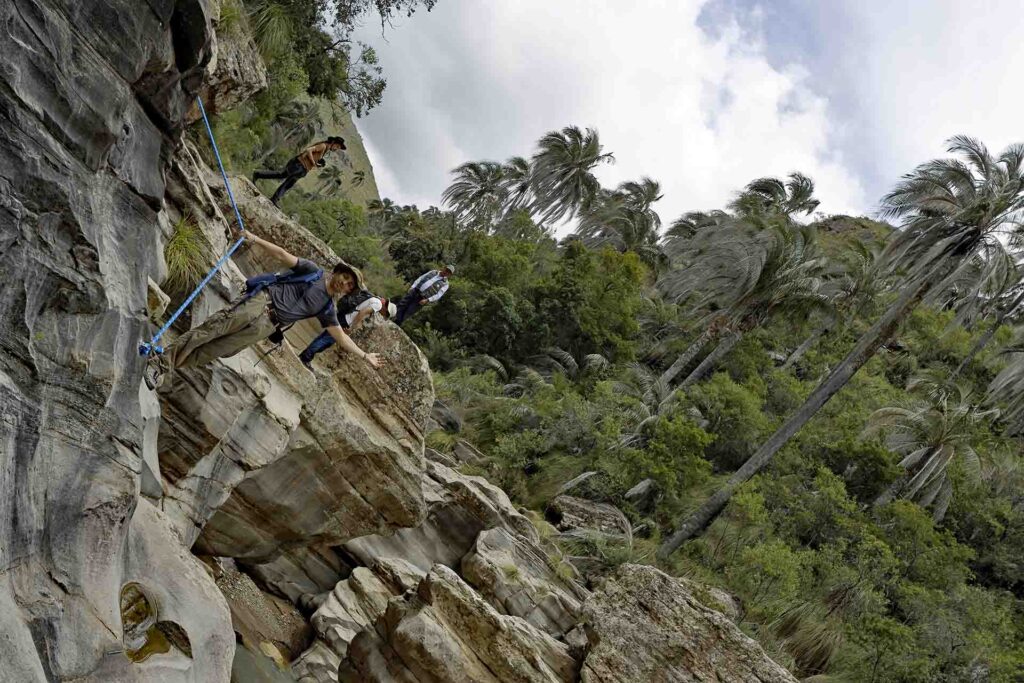
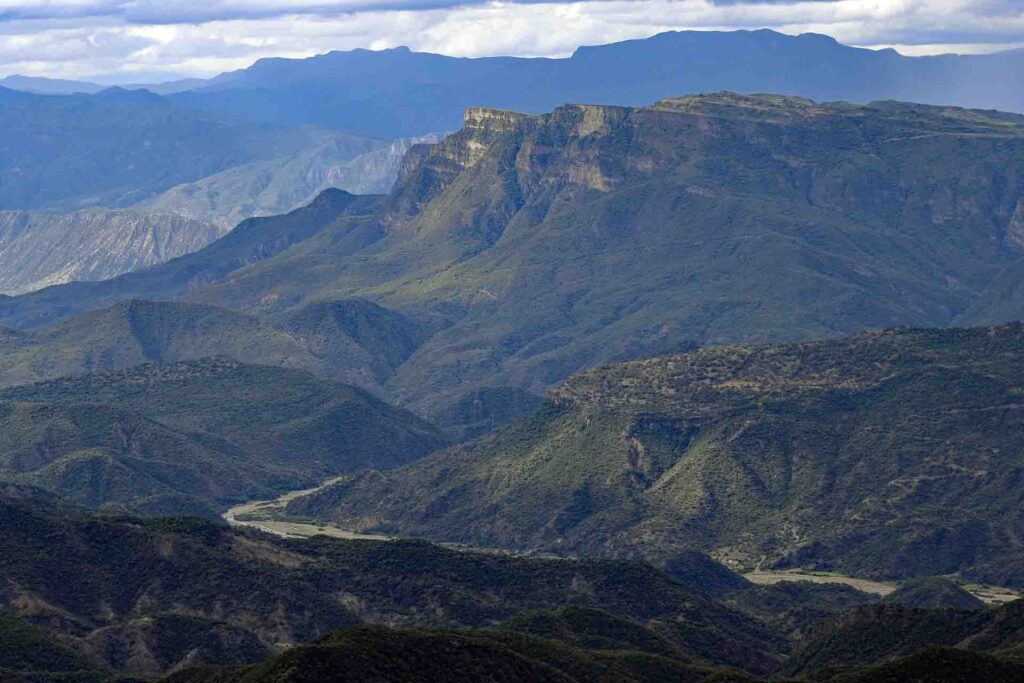
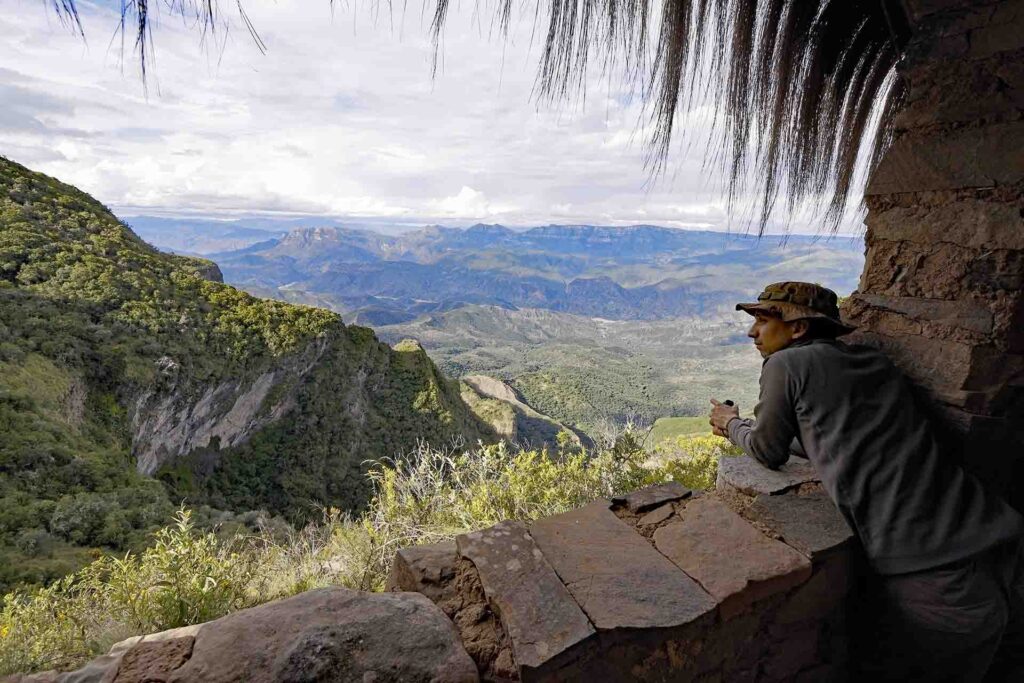
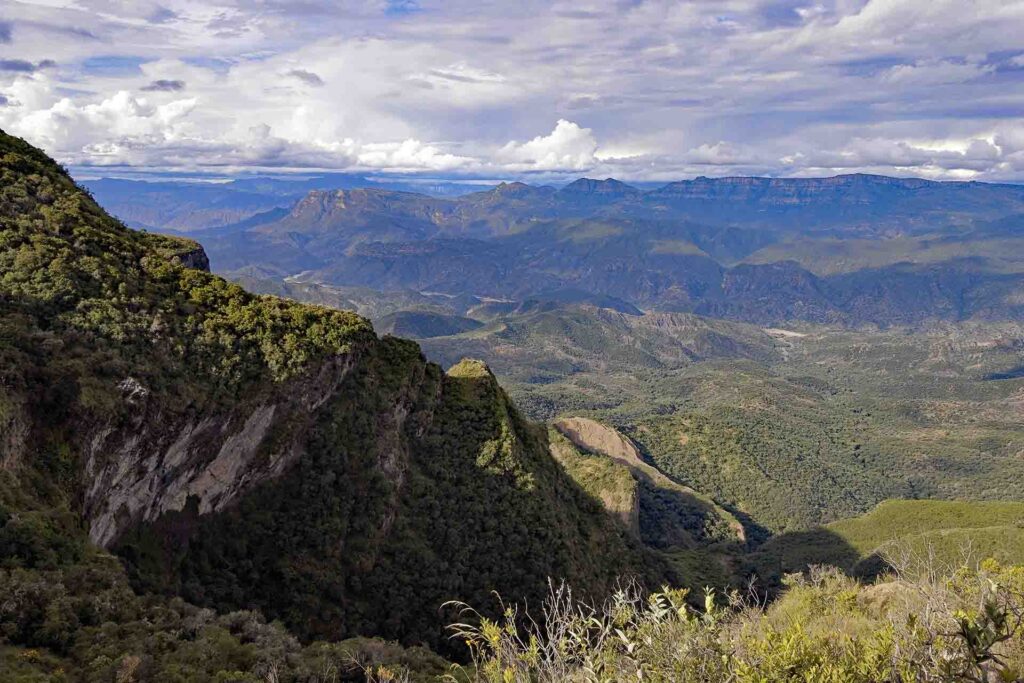
Located in the municipality of Presto in the department of Chuquisaca, the El Palmar – Área Natural de Manejo Integrado is one of the most remarkable protected ecosystems of Bolivia. Created to conserve the rare high-altitude palm forests of the region, the protected area preserves a unique ecological transition zone between Andean valleys, inter-Andean dry forests, and montane ecosystems.
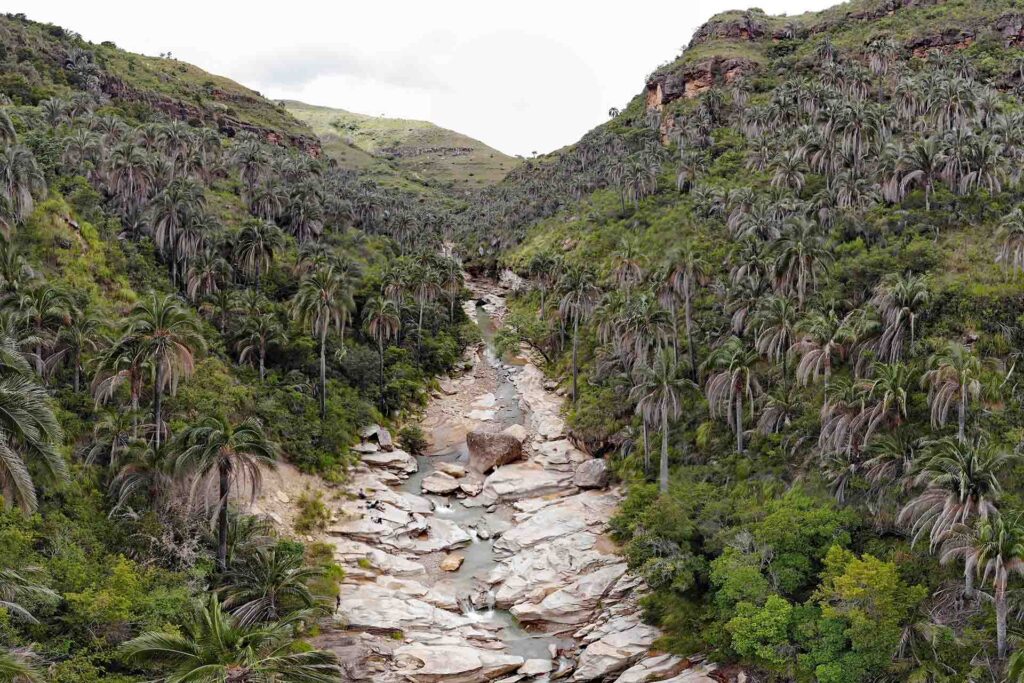
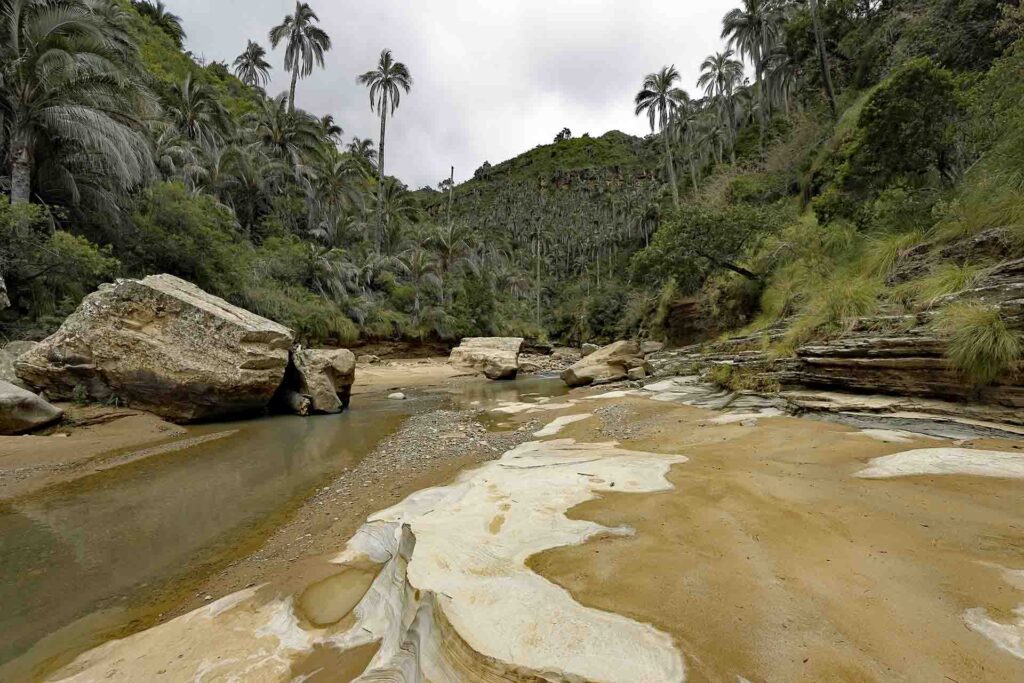
The most distinctive feature of El Palmar is the forest of the endemic Parajubaea torallyi, locally known as Janchicoco. These majestic palms grow naturally only in a few valleys of central Bolivia and form impressive palm groves between 2,400 and 3,400 meters above sea level—an exceptional phenomenon for palm species worldwide. The ancient palm forests create a spectacular landscape that attracts botanists, researchers, and nature travelers.
El Palmar also shelters a remarkable diversity of wildlife. Large mammals such as the Spectacled Bear, locally called Oso Jukumari, inhabit the remote forests of the region. Other predators include the Cougar (Puma concolor) , while rare felines such as the elusive Andean Mountain Cat (Leopardus jacobita) may inhabit the surrounding highland ecosystems. The area is also a paradise for birdwatchers thanks to species such as the Red-eared Parrot, locally known as Rotohraras.
Among the most impressive landscapes is the Cañón Misión, a spectacular canyon carved by seasonal rivers. Inside the canyon visitors can find natural pools of clear water surrounded by dramatic rock formations. Another iconic site is Condor Bañana, a natural viewpoint where travelers may observe the majestic Andean condor gliding above the cliffs. The wetland area of Yanacocha is another important habitat for birds and wildlife.
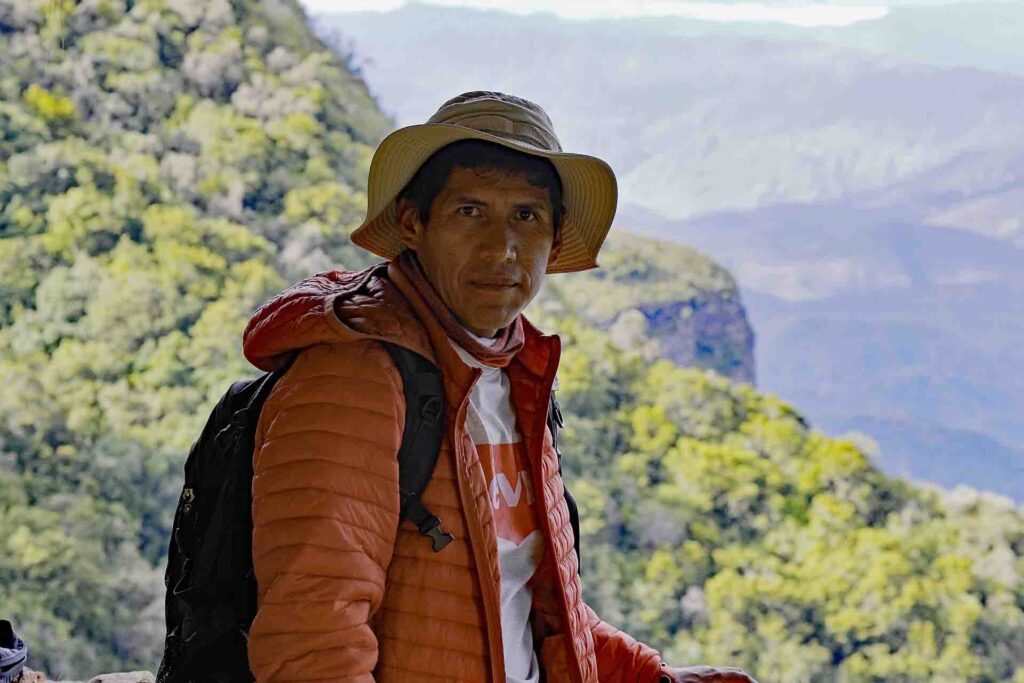
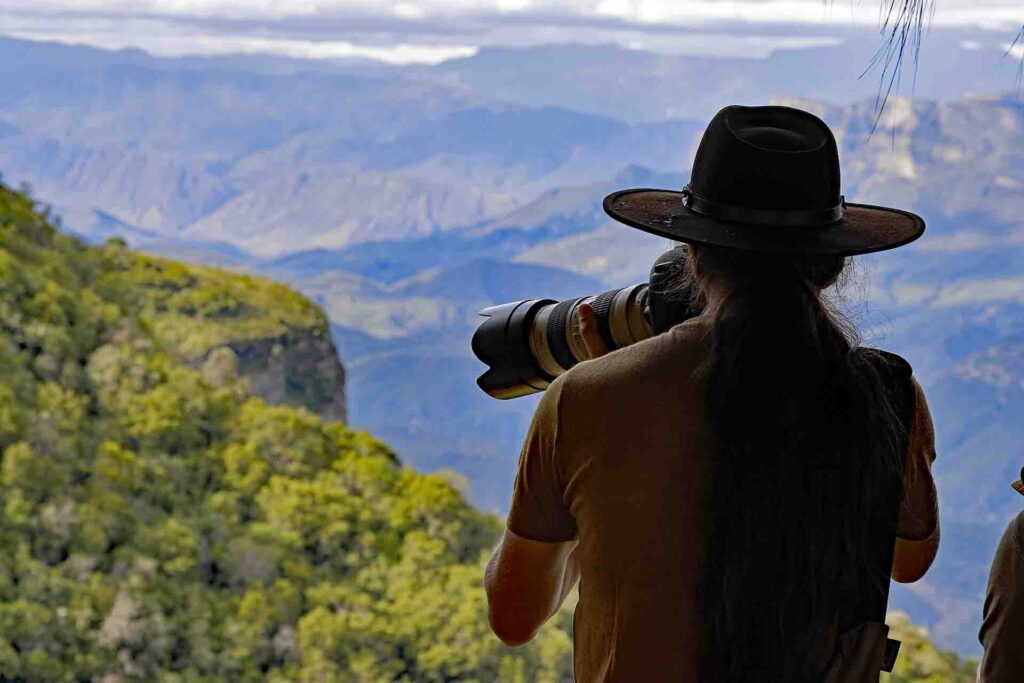
El Palmar offers excellent opportunities for nature-based tourism, including hiking trails through palm forests, wildlife observation, and scientific field excursions. Visitors can also explore archaeological sites such as the K’ala Rumi Petroglyphs, where ancient rock carvings reveal traces of pre-Hispanic cultures that once inhabited these valleys.
The nearby town of Presto is also historically significant. It is associated with the legendary independence heroine Juana Azurduy de Padilla, who organized resistance against Spanish colonial rule during the independence movements of the early 19th century. In Presto stands the house where she once lived and established a strategic headquarters during the revolutionary uprisings of 1809. From here she prepared resistance forces and participated in important battles such as those of Canal Pampa and Kespillajta.
With its rare palm forests, remarkable wildlife, archaeological heritage, and revolutionary history, El Palmar ANMI represents one of Bolivia’s most fascinating destinations for ecological and cultural tourism.